
While Sarah and Jason waited in a small exam room, they brought with them hope and a dozen questions. They wanted clear answers and a path that fit well for their lives. A compassionate specialist who combines science with patience can change how that journey unfolds.
Eliran Mor MD

Dr Eliran Mor
Today’s fertility care looks beyond quick fixes. It examines each person’s health, history, and goals. With targeted testing and individualized treatment, patients receive a roadmap instead of guesswork.
This guide introduces how expert medical support can improve chances of conception. You will learn why research-supported strategies are important and how a committed clinician guides patients. The aim is simple: convert complex science into usable steps toward parenthood.
Understanding Fertility Wellness
Knowing how the body helps with conception is the first step toward confident care. Reproductive well-being involves both body-related and emotional well-being for people considering pregnancy.
Managing infertility requires a careful look at both partners. Evaluations and medical records help reveal specific barriers to a natural, healthy pregnancy.
Many women seek specialized care to understand how their reproductive health influences long-term chances to conceive and support a full-term baby. Early evaluation can reveal treatable issues and limit delays.
“Pinpointing the root causes of infertility lets clinicians connect treatments to each person’s needs and health history.”
Comprehensive screenings gather the data needed to determine if advanced treatment is necessary. With useful results, clinicians can outline steps that support individual goals and medical needs.
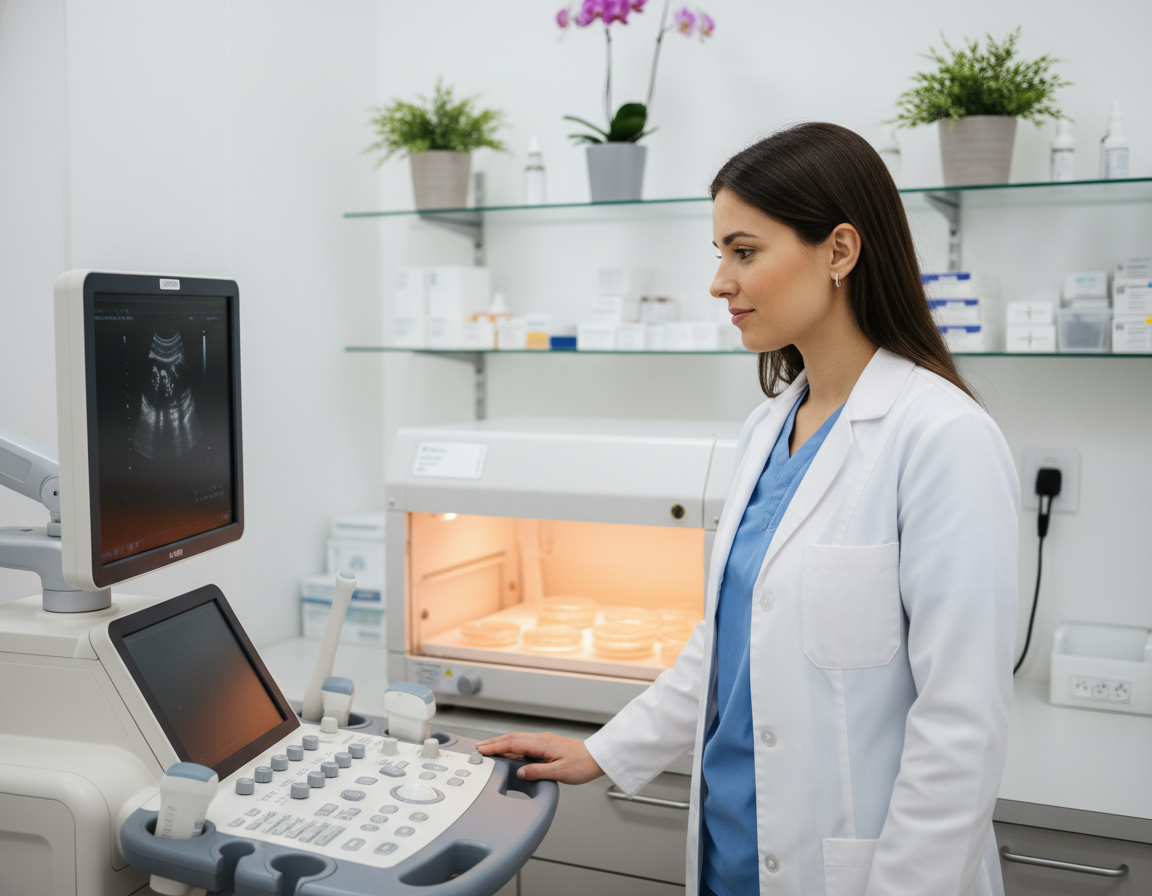
Get To Know Dr Eliran Mor
An easy-to-follow introduction to a clinician’s training helps people become grounded on day one. Below is a brief look at academic roots and how an individualized approach informs care.
Medical Education And Experience
Eliran Mor received a medical degree and completed residency for obstetrics gynecology at New York Methodist Hospital. This demanding path provided hands-on cases in gynecology New York settings.
The specialist pursued fellowship-level work in reproductive endocrinology, gaining focused skills in reproductive endocrinology infertility. Extensive clinical practice strengthened diagnostic judgment and procedural technique.
Approach Of Personalized Care
The physician focuses every plan on the individual patient. Direct communication, empathy, and customized protocols guide decisions during testing and treatment.
- Highly credentialed doctor with a solid clinical degree and years of experience.
- Custom protocols that respect medical history and life goals.
- Collaborative care that blends evidence, skill, and patient values.
“Our goal is to make complex options understandable and actionable.”
Why Importance Of Expert Reproductive Care
When fertility care is specialized, testing and treatment are better targeted and timely. A focused clinic finds issues that broader practices may miss. That clarity helps reduce the path to the right solution.
Prompt identification of hormonal imbalances or structural concerns can change outcomes. Advanced testing spots problems before they become major barriers. This strengthens both safety and success rates for treatment.
High-quality care matters at every step. Expert teams tailor interventions and monitor responses closely. This limits risks and helps patients continue with confidence.
- Improved diagnostic accuracy than general clinics.
- Quicker identification of hormone or structural issues.
- Targeted treatment plans that preserve long-term reproductive health.
- Expert attention that supports better outcomes and safety.
Working with a specialist like Eliran Mor supports a dedicated approach that focuses on long-term goals. That focused attention is the cornerstone of modern fertility care and helps couples and individuals address complex challenges.
Navigating Your Infertility Path
Experiencing infertility often feels like moving along a long road without a clear map. That uncertainty can affect daily life, work, and close relationships. Compassionate, compassionate care helps people take the next step with confidence.
Emotional Guidance During Care
Successful treatment brings together medical steps with emotional support for every patient. An organized plan can reduce stress and helps patients focus on goals.
Supportive providers that listen and guide offer practical tools. Counseling, support groups, and clear timelines reduce anxiety during complex procedures.
“Creating a steady, informed team can improve how families experience treatment and hope.”
Support that recognizes the whole family helps partners remain included. When people feel heard, they are better able to follow medical guidance and make informed choices.
Individuals who work with a dedicated team often describe lower anxiety and clearer expectations. That mix of expertise and empathy is central to a successful journey.
Initial Appointments And Fertility Testing
An initial visit includes careful history-taking with focused testing to create clear next steps. In that first meeting, Dr. Mor reviews medical, surgical, and family histories to notice clues that guide testing.
Dr. Mor usually recommends blood panels and imaging for both partners. Frequently used tests include hormone levels, semen analysis, and pelvic ultrasound. These studies offer a practical view of reproductive potential.
When results arrive, Dr. Mor turns data into a customized roadmap. That plan shows what findings mean and which treatments to consider next.
“Careful diagnostics help reduce the path to effective care by identifying obstacles early.”
| Test | Reason | When Ordered |
|---|---|---|
| Hormone Panel | Evaluate ovarian reserve and endocrine balance | At the start of testing |
| Male Fertility Test | Assess count, motility, morphology | During early partner testing |
| Pelvic Ultrasound | Inspect uterus and ovaries for structural issues | If history or symptoms indicate |
- Bring questions—your doctor will clarify how each result shapes care.
- Prompt testing can reduce wasted time and resources during treatment.
Understanding Modern Fertility Treatment Options
Advanced fertility options use precise timing and lab techniques to convert potential into progress.
Egg Collection Process
Oocyte retrieval is planned after careful stimulation and monitoring. A short sedation procedure collects mature eggs for lab fertilization.
Clinicians protects comfort and safety while aiming to gather multiple healthy eggs to raise chances of a quality embryo.
Male Fertility Testing And Preparation
Semen analysis checks count, motility, and shape. Lab preparation identifies the healthiest sperm for fertilizing retrieved eggs.
Monitoring Reproductive Timing
Close monitoring of cycles helps modify medication doses in real time. That adjustment encourages egg development and supports embryo creation.
- Customized stimulation overseen by Dr. Mor to grow multiple eggs.
- Minimally invasive procedures completed with patient comfort in mind.
- Rigorous sperm prep to improve fertilization outcomes.
- Frequent cycle checks to fine-tune timing and medication.
Working as one, these procedures and careful lab work are designed to produce high-quality embryos for future transfer or freezing.
The Place Of IVF In Modern Medicine
In vitro fertilization now functions as a practical option for many people facing complex fertility barriers.
IVF care has changed how clinicians approach infertility by offering a structured path when other options fall short.
In the ivf process, eggs and sperm are combined in a controlled laboratory setting. Embryology specialists monitor fertilization and early embryo growth to identify the healthiest embryos for transfer.
Modern protocols make this treatment safer and more efficient than earlier methods. Teams adjust medication, timing, and lab techniques to each patient’s needs.
Moving around certain biological barriers—blocked tubes, poor sperm parameters, or unexplained issues—ivf creates opportunities that were once out of reach.
Continuous advances in lab technology, embryo assessment, and culture systems help raise success rates. For many families, ivf remains the strongest treatment to reach pregnancy.
Getting Ready For Your Embryonic Placement
Precise scheduling, preparation, and a calm environment affect how well an embryo settles into the uterus. Your care team plans medication, monitoring, and rest so the lining is receptive on transfer day.
Ahead of an embryo transfer, Dr. Mor checks hormone levels and lining thickness in the days leading up to the procedure. These measures determine the exact timing and any last medication adjustments.
The actual procedure is brief and gentle. A selected embryo is placed with precision into the uterus using ultrasound guidance. Accurate placement is essential; proper location supports the chance of implantation.
Individuals receive clear instructions on medications, activity, and diet in the pre-transfer window. Small lifestyle changes and adherence to the plan help protect the embryo and help lower stress.
Preparing well makes a pivotal moment feel manageable. Work with the team, follow the guidance from Dr. Mor, and use the recovery period to settle and reduce anxiety after transfer.
Success Rates And Realistic Goals
Understanding realistic success rates helps a patient plan the next steps after an embryo transfer. Practical numbers limit worry and set useful goals.
The clinic shares transparent success data so a patient understands the likelihood of a positive result. Dr. Mor explains those rates in the context of age, history, and test results.
Every embryo transfer depends on many factors. Medication timing, embryo quality, and uterine readiness all affect success.
- Dr. Mor provides transparent success rates for each transfer scenario to set realistic expectations.
- Patient-specific factors change outcomes; the care team clarifies what matters for each patient.
- Fine-tuning of protocols aims to support embryo and transfer success across cycles.
- Honest discussion helps patients accept the possibility of multiple attempts and plan accordingly.
Data-driven guidance supports the patient to choose timing and next steps with confidence. With transparent rates and honest conversation, success becomes a shared, measurable aim.
Personalized Treatment Plans For Every Woman
Personalized fertility plans convert medical data into actionable steps for each woman.
The process starts with a clear review of tests, goals, and lifestyle. Then Eliran Mor and the patient create a treatment plan together.
This shared planning ensures concerns are addressed before any transfer occurs. Patients know the steps and the reasons behind them.
Treatment roadmaps often include nutrition and lifestyle guidance. Clear, evidence-based changes strengthen the body during intensive phases of treatment.
- Shared decision-making to tailor timing and medications.
- Practical recommendations for diet, sleep, and stress management.
- Ongoing adjustments based on response and patient feedback.
“A personalized plan gives each patient the attention needed to navigate complex treatment and improve transfer outcomes.”
| Care Component | Goal | When Applied |
|---|---|---|
| Medical Review | Align tests to tailored medication | At planning stages and before transfer |
| Wellness Support | Help with implantation and recovery | During stimulation and recovery |
| Collaborative Follow-up | Adjust plan to patient response | Throughout active care |
Understanding The Influence Of Experience On Treatment Results
Consistent clinical exposure helps specialists recognize patterns that shape treatment paths.
If a clinician brings many years of focused practice, subtle cycle cues become clearer. That knowledge often makes the crucial turning point between a stalled attempt and a successful outcome.
Dr. Mor pairs technical skill with refined judgment gained over years in active practice. Patients are helped because procedures and timing are adjusted based on what worked in similar, real cases.
Focused practice refines protocols, reduces guesswork, and improves lab coordination. That steady improvement can increase the chances of treatment success for complex cases.
| Clinical Factor | Benefit | Outcome Impact |
|---|---|---|
| Years treating complex cycles | Faster recognition of subtle patterns | Stronger implantation and pregnancy rates |
| Refined lab and clinical protocols | Steady procedure quality | Stronger embryo development outcomes |
| Experience-based decision-making | Personalized interventions for unique needs | Lower cycle failures and better follow-up |
“Accumulated years of practice shape decisions that improve patient success.”
Finding The Trusted Fertility Clinic In California
Selecting the right facility in Los Angeles means balancing clinical expertise with compassionate support.
Start by checking the reputation of the center reproductive health and the credentials of the medical team. Reputation reveals how a practice offers care and results over time.
The chosen fertility center should offer a full range of services so patients get testing, lab work, and follow-up care in one place. That continuity can lower stress and strengthens coordination.
Across Los Angeles, many patients choose a center reproductive because the team offers both skill and steady support. High-quality care means a focused doctor, an experienced team, and a welcoming clinic environment.
Final Thoughts
This overview combines practical steps and clinical insight to help you move forward with confidence.
The content explains why expert fertility care matters. It describes how a qualified reproductive endocrinologist creates a tailored plan that fits your health and timeline.
Learning about each stage—from initial tests to embryo transfer—supports clarity and eases stress. Practical information helps you prepare the right questions and choose sensible next steps.
Ideally, this content serves as a useful resource for those seeking evidence-based care and informed guidance. Choosing the first step toward specialized help is a important decision on the path to parenthood.
Related: The Role of Dr Eliran Mor Endocrinologist in Treating Adrenal Disorders